
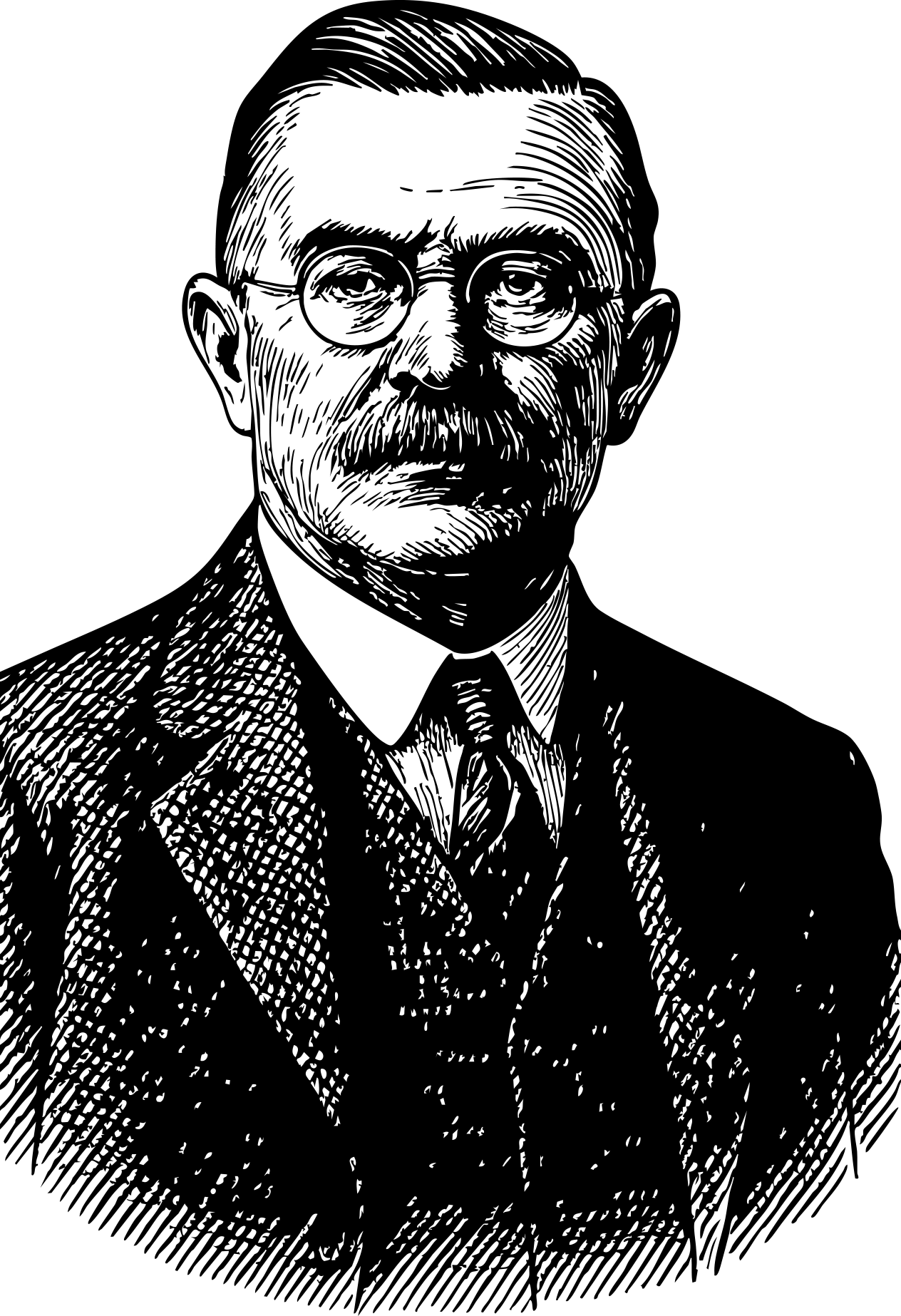
James R. Ross
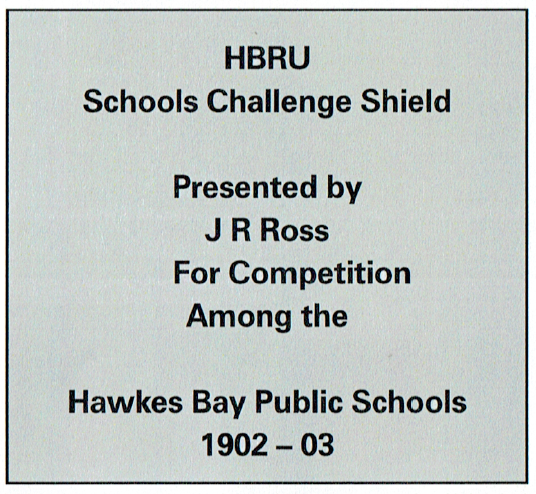
The history of the man, behind the trophy, that is contested 124 years later.
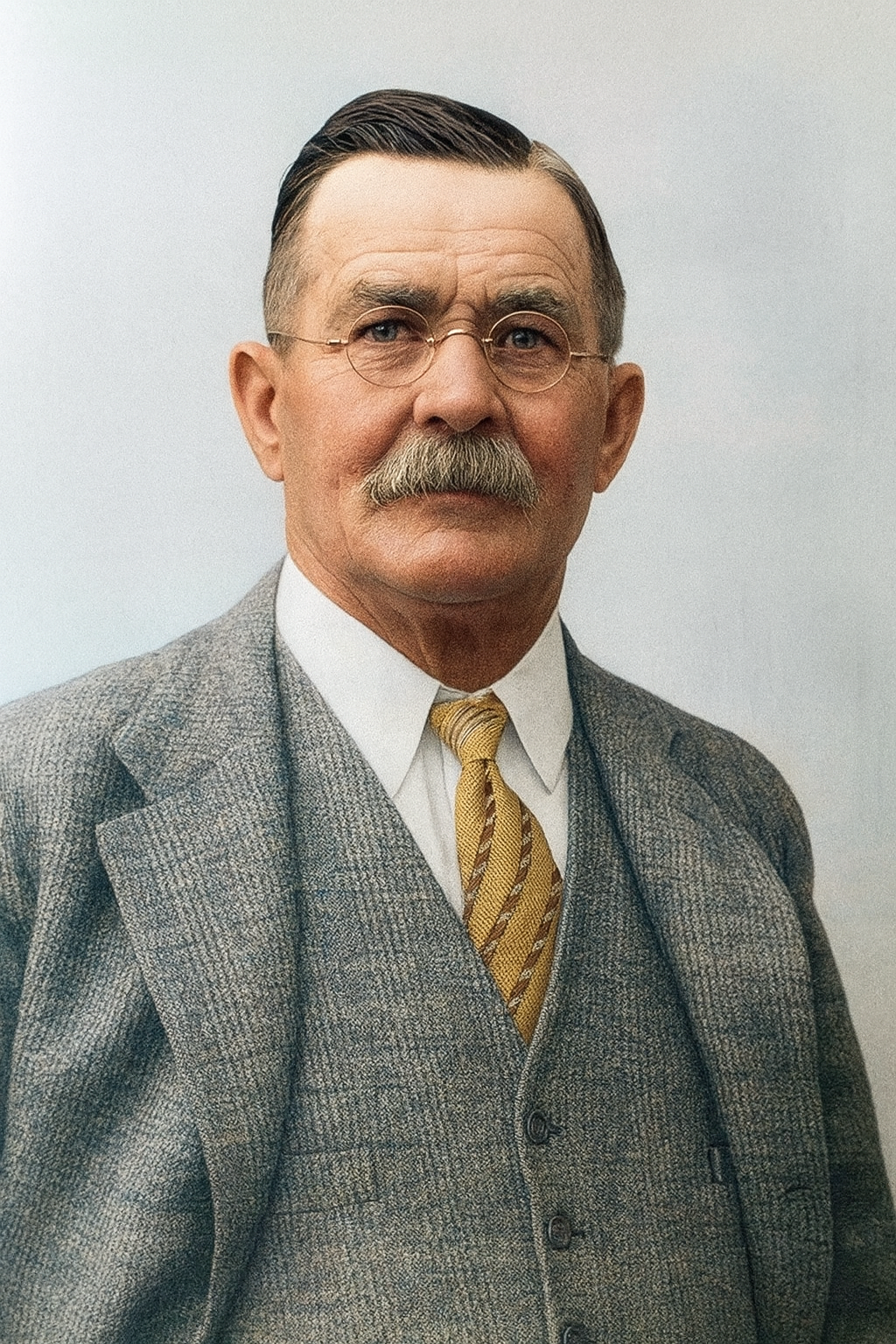
Mr James. R. Ross
1870 - 1943
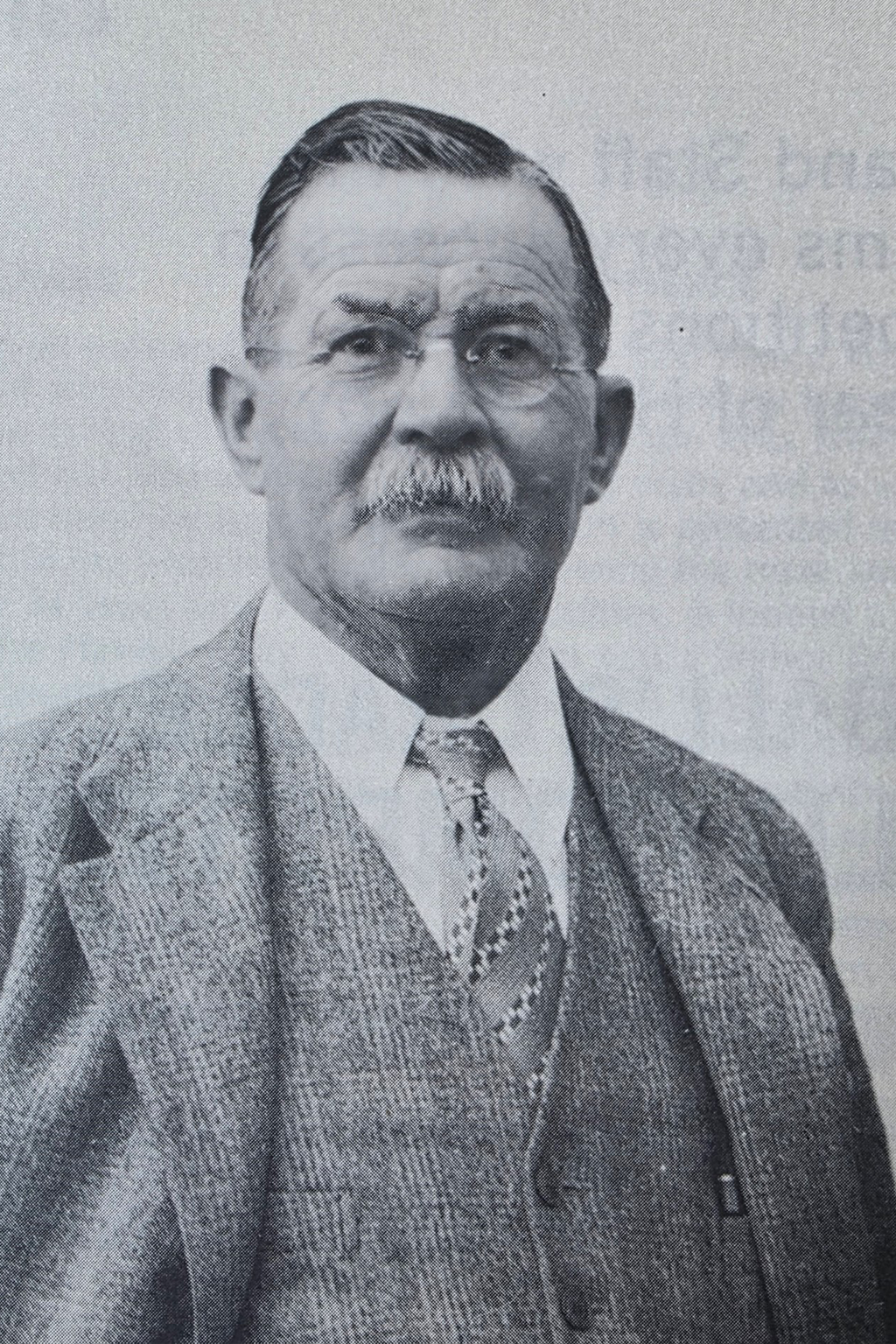
Original Photograph
Restored Photograph
Jim Ross was one of the eleven children of William Fraser and Mary Susan Ross. His father was a South Australian by birth who, attracted by the discovery of gold on the West Coast, came to New Zealand with his family about 1866. Although not a full-time seeker of gold, William Fraser Ross entered into partnership with Richard John Seddon, a future Premier of New Zealand, and together they established a storekeeping business at Big Dam by the Waimea Creek. This business also held a license to retail liquor, and the partnership continued for several years, extending into the Kumara field as that district developed.
When Seddon became increasingly involved in politics, W. F. Ross moved to Wellington around 1875. He purchased a shop and dwelling on Lambton Quay, only two doors from what is now Stewart Dawson’s Corner, and there established a business selling high-grade confectionery and imported crystallised fruits. Seddon, until his death in 1906, maintained a keen interest in the family of his former partner and their welfare. No doubt young Jim Ross benefited from this friendly concern.
Jim Ross, a West Coaster by birth, was 23 at the time of his father’s death. His early business training had been received in Wellington, working alongside his father in the Lambton Quay shop. As a young man, Jim moved to Napier where he first established a business as a tobacconist. A younger brother joined him for a time, running a hairdressing salon. Yet Jim Ross is best remembered for his sports shop in Hastings Street, Napier, and for his extensive knowledge and experience as a trout-fishing authority.
The name of the William Fraser Ross branch of the Ross Clan has now died out. Of the five brothers, only one married and had children — seven daughters. The others either did not marry or died without issue. Sadly, Jim’s own marriage to Alice Fenton was without children, though he would have made an ideal father.
Jim Ross is remembered by one of his nieces as a kind, considerate, and very quietly spoken man with a delightful sense of humour. He was deeply interested in young people and their activities, and his presentation of the Ross Shield is testimony to this commitment. His wife’s nephew, Mr Bob Fenton of Hastings, enjoyed a close association with his uncle during the formative years of his life and fully appreciated the many virtues of Jim Ross.
It is of particular interest that the Ross Shield remains the only means by which the family name of this branch of the Ross Clan is carried forward for posterity. In this respect, Jim Ross achieved more than his brothers, for the rugby competition he established continues to this day.
At present there are three families of direct descendants of this branch of the Ross Clan still connected with the Ross Shield tournament area. A great-nephew, Barry Denton, Project Manager (Geothermal) at Wairakei, has three teenage daughters. Anne Long of Montana Road, Bridge Pa, and Catherine Hancock of Kererū Street, Taupō, are great-nieces. Anne has two sons and Cathy three. Should the rugby abilities of these boys develop in the coming years, it is possible that one day a blood relation of Jim Ross may take the field in the very tournament he founded. Such an outcome would no doubt have brought great pleasure to a man who was, in every sense, a gentleman.
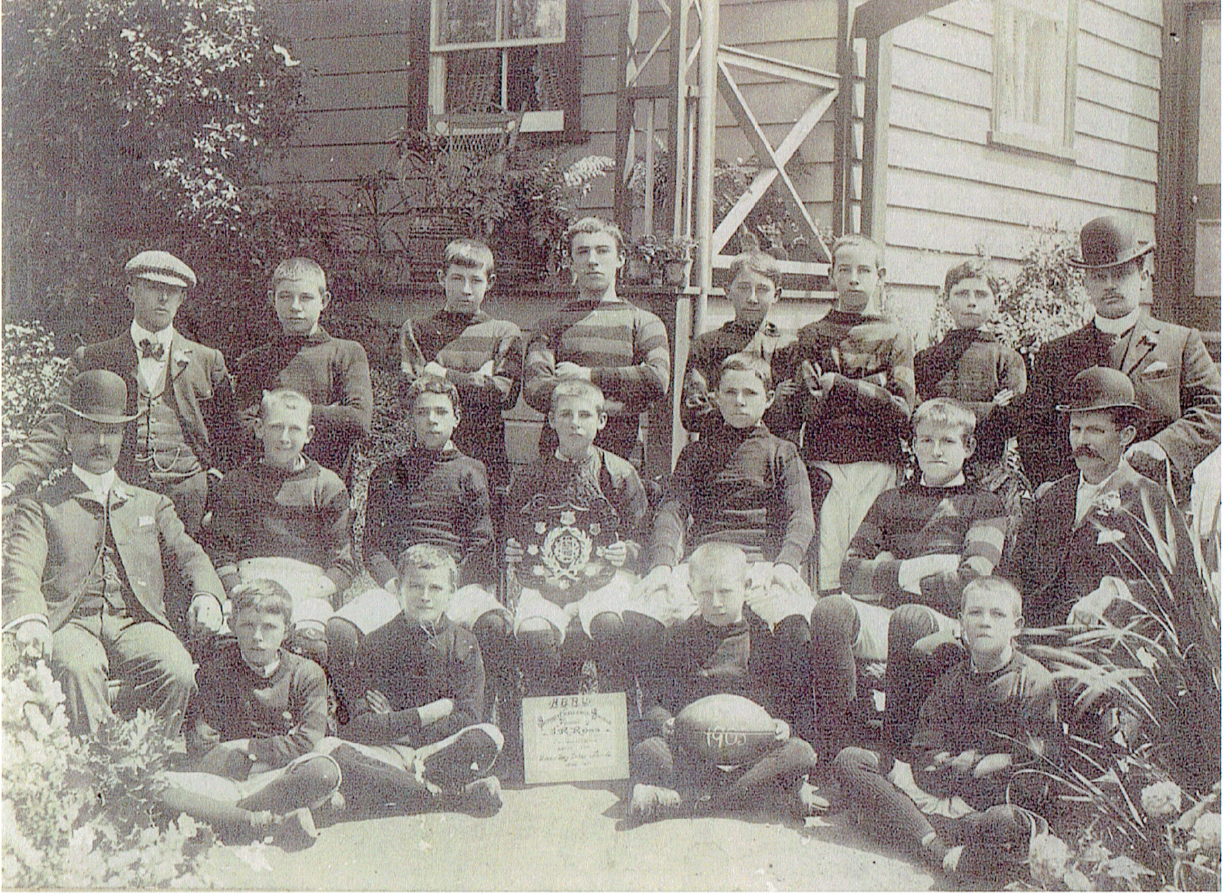
A Lost Treasure … Regained
The team is representing Marist Brothers of Napier
Whilst clearing out the back rooms and cupboards of the old McKenzie Grandstand at McLean Park prior to it being demolished our local historian, Frank Long, discovered this real treasure. It is with grateful thanks to him for making it available to us.
It appears to be the formal photograph of the original team of winners of the “Schools Challenge Shield” presented by J. R. Ross.
This is the Ross Shield and the photograph probably was taken in 1903 judging by the year chalked upon the ball.
There are no names inscribed on the cardboard mount but the incredible formal setting of a proud local garden and yard and the seriousness of all the participants marks this out as a most important occasion. The coaches, teachers and officials have all dressed in their formal ‘best’ and the team is particularly well attired in their playing gear. Seriousness and staunchness were key characteristics and it is etched upon their faces.